
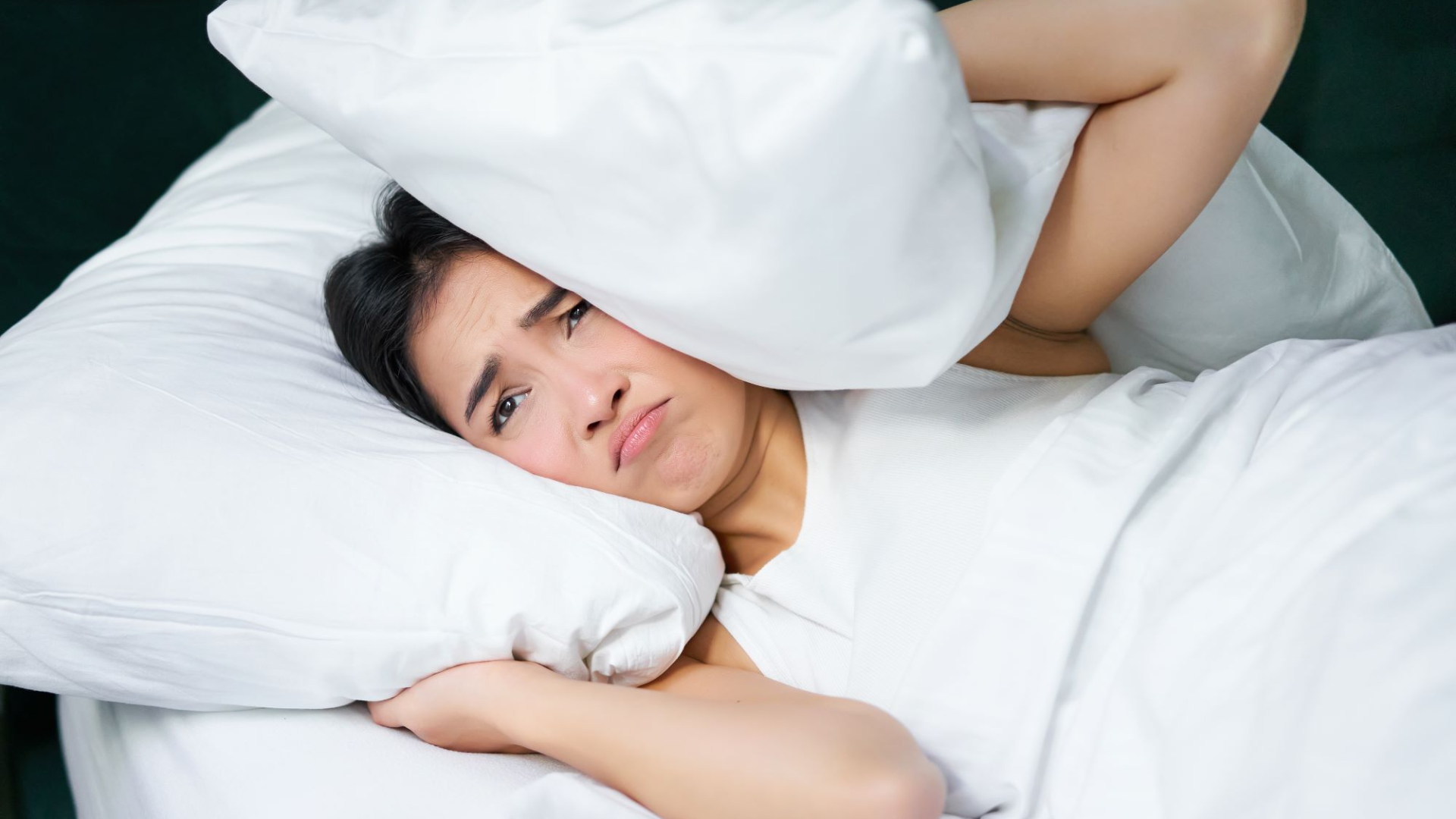
Sleep Disorders
Sleep disorders are conditions that affect your ability to get the rest your body needs and maintain wakefulness. Quality, timing and duration are the components that determine good sleep or disturbed sleep.
Causes are medical conditions like heart disease, asthma, pain or a nerve condition, depression or anxiety disorder, genetics, side effect of a medication, substance use, low levels of certain chemicals or minerals in the brain.
Sleep disorders encompass a variety of conditions that affect the ability to get restful and restorative sleep. They can impact overall health, daily functioning, and quality of life. Commonly found sleep disorders are
1. Insomnia
- Description: Difficulty falling asleep, staying asleep, or waking up too early and not being able to go back to sleep.
- Symptoms: Trouble falling asleep, waking up frequently during the night, or waking up too early.
- Treatment: Behavioral therapies (e.g., Cognitive Behavioral Therapy for Insomnia (CBT-I)), lifestyle changes, and sometimes medication.
2. Sleep Apnea
- Description: A condition where breathing repeatedly stops and starts during sleep.
- Symptoms: Loud snoring, choking or gasping during sleep, excessive daytime sleepiness, and difficulty staying asleep.
- Treatment: Continuous Positive Airway Pressure (CPAP) therapy, lifestyle changes, and sometimes surgery.
3. Restless Legs Syndrome (RLS)
- Description: An uncontrollable urge to move the legs, often accompanied by uncomfortable sensations.
- Symptoms: Tingling, crawling, or aching sensations in the legs, usually worsening at night or during periods of inactivity.
- Treatment: Medications, lifestyle changes, and practices to relieve symptoms.
4. Narcolepsy
- Description: A neurological disorder characterized by excessive daytime sleepiness and sudden sleep attacks.
- Symptoms: Sudden, uncontrollable episodes of sleep, cataplexy (sudden muscle weakness), and vivid hallucinations.
- Treatment: Medications to manage symptoms and behavioral strategies.
5. Parasomnias
- Description: Abnormal behaviors during sleep, including sleepwalking, night terrors, or REM sleep behavior disorder.
- Symptoms: Engaging in complex behaviors while asleep, such as walking or acting out dreams, or experiencing intense fear or confusion during sleep.
- Treatment: Behavioral therapies, ensuring a safe sleep environment, and sometimes medications.
6. Circadian Rhythm Sleep Disorders
- Description: Disruptions in the body’s natural sleep-wake cycle.
- Symptoms: Difficulty falling asleep or waking up at the desired times, feeling sleepy at inappropriate times.
- Treatment: Light therapy, chronotherapy, and lifestyle adjustments to realign the sleep-wake cycle.
7. Sleep Deprivation
- Description: Chronic lack of sufficient sleep.
- Symptoms: Fatigue, irritability, impaired concentration, and health issues like weakened immune function.
- Treatment: Improving sleep hygiene, addressing underlying causes, and making lifestyle changes to ensure adequate sleep.
Common Symptoms of Sleep Disorders:
- Difficulty Falling or Staying Asleep: Trouble initiating or maintaining sleep.
- Excessive Daytime Sleepiness: Feeling overly tired during the day despite adequate sleep.
- Unusual Sleep Behaviors: Sleepwalking, talking in sleep, or acting out dreams.
- Frequent Night Awakenings: Waking up multiple times during the night.
- Snoring or Gasping: Particularly indicative of sleep apnea
Treatment plan includes counseling, cognitive behavioral therapy, visualization and medications.
Please contact us to come out of any kind of Sleep issues.
